Welcome to Tangshan Moneide Trading Co., Ltd.






Recommend Products


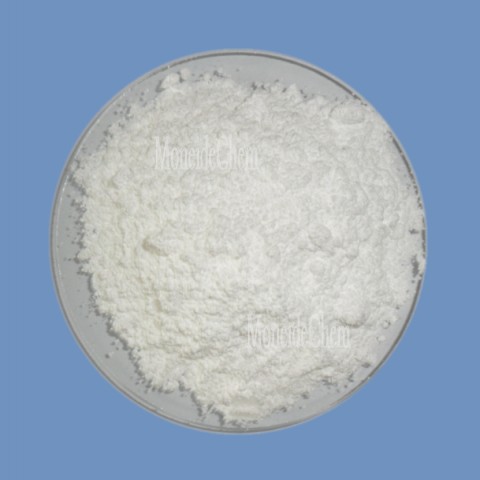
bis 3 sulfopropyl disulfide
Hypophosphorous Acid (H₃PO₂), also known as hypophosphoric acid , is a colorless, transparent liquid with the CAS number 6303-21-5 . This compound is a critical reagent in various industrial and chemical applications, offering unique properties that make it indispensable in modern manufacturing and research. In this article, we explore the technical specifications , key features , applications , and company background of this essential chemical, while also referencing authoritative sources to ensure reliability. Technical Specifications of Hypophosphorous Acid Hypophosphorous Acid is characterized by its distinct chemical structure and precise purity levels, making it a preferred choice for specialized applications. Below is a detailed breakdown of its technical parameters: Parameter Details Chemical Name Hypophosphorous Acid Another Name Hypophosphoric Acid CAS No. 6303-21-5 Molecular Formula H₃PO₂ Molecular Weight 63.980501 g/mol Appearance Colorless, transparent liquid Purity ≥50.0% (Hypophosphorous Acid) Impurities Phosphorous Acid: ≤0.5% Sodium (Na): ≤0.5% Iron (Fe): ≤10 ppm Chloride (Cl): ≤150 ppm Sulfate: ≤100 ppm Key Features and Benefits Hypophosphorous Acid stands out due to its powerful reducing properties , versatility , and relative safety compared to other reducing agents. Here are its primary advantages: Powerful Reducing Agent: Hypophosphorous Acid is widely used in chemical reactions requiring controlled reduction, such as in the synthesis of phosphine and phosphorus derivatives. Electroplating Applications: It plays a vital role in electroless plating , particularly in nickel electroplating, where it enhances the adhesion, smoothness, and durability of metal coatings. Chemical Synthesis: As an intermediate, it is essential in producing high-value chemicals like phosphorus-based compounds used in pharmaceuticals and agriculture. Non-Toxic Nature: Unlike many reducing agents, Hypophosphorous Acid is considered less toxic , making it a safer option for industrial use. Applications in Various Industries The adaptability of Hypophosphorous Acid allows it to serve multiple sectors. Below are some of its critical applications: Electroplating: Used in electroless plating to create uniform, durable metal coatings, especially in the production of high-quality nickel plating. Learn more about its role in electroplating . Chemical Manufacturing: Acts as a reducing agent in the production of phosphorus compounds, including phosphine, which is vital for agricultural and industrial applications. Polymerization: Serves as a polymerization initiator in the synthesis of resins and plastics, contributing to the development of advanced materials. Water Treatment: Occasionally applied to control undesirable substances in water treatment processes. Medicine and Research: Utilized as a reducing agent in medical applications, such as the determination of arsenic and tellurium, and in the separation of metals like tantalum and niobium. Company Background: Tangshan Moneide Trading Co., Ltd. As a leading supplier of specialty chemicals, Tangshan Moneide Trading Co., Ltd. (唐山默内德贸易有限公司) has established itself as a trusted provider of high-purity chemicals, including Hypophosphorous Acid. With a focus on quality, innovation, and customer satisfaction, the company caters to industries such as pharmaceuticals, agriculture, and manufacturing . Their commitment to compliance with international standards ensures that their products meet the rigorous demands of modern industrial applications. For more information about the company and its product portfolio, visit Tangshan Moneide Trading Co., Ltd. . Safety and Storage Proper handling and storage are crucial to maintaining the stability and effectiveness of Hypophosphorous Acid. The following guidelines are recommended: Packaging: Typically available in drums or bulk container111s for industrial use. Storage Conditions: Store in a cool, dry place , away from heat sources and direct sunlight to prevent degradation. Handling Precautions: While less toxic than other reducing agents, appropriate personal protective equipment (PPE) should be used to ensure safety during handling. Authoritative References and NIST Standards The reliability of Hypophosphorous Acid's properties and applications is supported by authoritative sources , including the National Institute of Standards and Technology (NIST) . NIST, as the U.S. National Metrology Institute, plays a critical role in developing measurement standards and chemical reference materials that underpin industrial and scientific advancements. While specific data on Hypophosphorous Acid may not be directly available on NIST's website, the institute's work in chemical thermodynamics and analytical chemistry ensures that standards for similar compounds are rigorously maintained. For further insights into NIST's contributions to chemical standards, visit NIST's official website . Conclusion Hypophosphorous Acid (H₃PO₂) is a multifaceted chemical with a wide range of applications across industries. Its unique properties, including its strong reducing capabilities and relatively low toxicity, make it an essential component in processes such as electroplating, chemical synthesis, and water treatment. As a product of Tangshan Moneide Trading Co., Ltd. , it exemplifies the importance of quality, innovation, and adherence to international standards. By leveraging authoritative resources like NIST, the chemical industry continues to advance, ensuring that products like Hypophosphorous Acid meet the highest levels of safety and performance. For more details about Hypophosphorous Acid or to explore other products, visit the product page or Tangshan Moneide Trading Co., Ltd. . References NIST (National Institute of Standards and Technology). Retrieved from https://www.nist.gov .



look at newproducts


